What Happens When You Stop Taking New Weight-Loss Drugs Like Semaglutide
Glucagon-like peptide-1 (GLP-1) medicines for obesity, like semaglutide and tirzepatide, work to stimulate weight loss and help with glycemic control.
By the HCG Health DeskPublished 4 min read
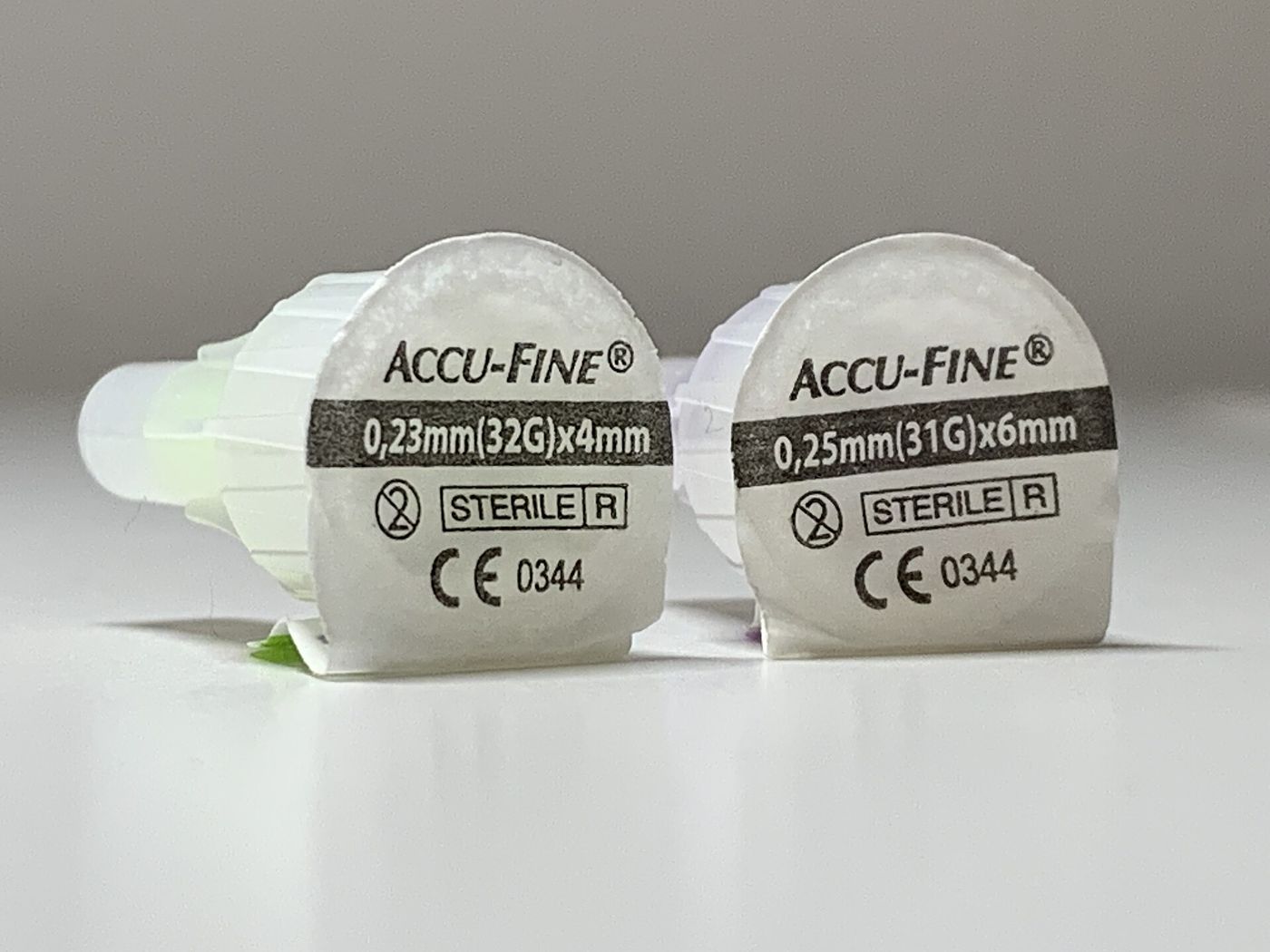
Accu-Fine Pen Needle 4 mm, 32 G and Accu-Fine Pen Needle 6 mm, 31 G next to eachother. Photo: Marius Vassnes / Wikimedia Commons (CC BY-SA 4.0)What this article covers
Glucagon-like peptide-1 (GLP-1) medicines for obesity, like semaglutide and tirzepatide, work to stimulate weight loss and help with glycemic control. But what happens to the pounds lost when a course of treatment stops? Even those who responsively hit target weight – a reduction typically of 10% or more of body weight – pick up a good deal of that lost weight over the following 12 months, every well-designed study shows.
It's not easy to sustain a clinically significant weight reduction while simply off the medication.
Getting these medications, often marketed as drugs for obesity, requires explaining your situation to your healthcare team, but this is not a bar to prescribing the new-generation GLP-1 agonists to under-dosed, or completely under-treated, patients who qualify. Weight regain after short-term quit experiments on semaglutide show an average regain of two-thirds or more of previous weight loss, which means that the drugs are not suitable for short-term or "stop-and-start" cycles. Nevertheless, this quick withdrawal model could not be considered the same as long-term disuse for sustainable results.
Who Qualifies in Practice
Like any medicine, GLP-1s for weight loss aren't free to everyone who wants them, even off-label from the manufacturer's prescribing guidance. Trial designs for these products exclude people with some existing conditions, and real-world routines restrict how many can get prescriptions.
Semaglutide and tirzepatide tend to have substantially identical eligibility and exclusion rules, and these are reflected compared with real-world criteria from surveys and studies.
Similar to research, NICE guidelines for GLP-1 medicines show several particular eligibility exclusions: people with a BMI under 30 without comorbidity, those with type 2 diabetes, and those who did non-injectable drug or have had bariatric surgery within a recent period, again depending on their country's formulary.
Like semaglutide and tirzepatide, NICE guidelines strongly recommend that anybody taking the drugs first prove their metabolic weight loss and related cardiovascular gains, putting these requirements as needing to stay consistent before long-term treatment begins.
Why People Stop
Could be that exactly the people who need this kind of treatment most could easily give them up because of retching from their side effects. For many patients it's not nausea and physical responses that lead off. A thorough US PubMed study reveals physical prices, side effects, financial barriers, and quickly moving out of my price range — basically lack of universal coverage — as the main score registers thalidomide makes people stop at under six months.
The most experienced US clinic trials, from US Cleveland clinic, six months is how long we typically prescribe the medicines. Of course they're expensive and they're the richest greedy bastards and they're nuts; but they don't accomplish what they couldn't. Something has to give. Even the similar unpleasantness on Tywin Lannister get exhausted. That typical dose is about double legally recommended threshold quantity, which means that you get a lot closer to doughnut holes if you do a little disappointment.
Manufacturer guidance shows very similar stopping motives., including the cost of taking semaglutide and also tirzepatide, along with other similar negative responses to the manufacturer. A lot of people quit them before they figure out what their own bullshit is.
What Happens When Treatment Stops
When a patient stops taking GLP-1 weight loss drugs, large amounts of prior weight loss come back, even for those who were effectively losing weight before treatment ended. Placebo-controlled withdrawal trials repeatedly show a regain of a significant chunk, often around two-thirds of lost weight, in the year after discontinuation. A BBC report pointed to two-thirds again of people stopping semaglutide saw, while trial data detail around the same percentage regaining for tirzepatide users.
Side Effects and Tolerability
GLP-1 injectables are generally well-tolerated for patients staying on course, but frequent side effects can push many to stop. A PMC review describes gastrointestinal problems like nausea, vomiting, and diarrhea as the most commonly reported adverse events. Discouraging half the patients getting semaglutide and fourth-quarters getting tirzepatide stop medication after 6 months, study authors note.
Headaches, while less frequent, are a common issue, as are injection-site reactions and in frequently hypoglycemia. The rate of stopping because of these side effects varies between studies, but researchers consider these downsides substantial, steering up over half to stop the medicines. Every patient,, after talking with the treating clinician, needs to consider whether the benefits of treatment overcome adverse reactions interfering with the recommended dose.
Cost and Route of Supply
For many, medication cost is a critical limiting factor. Semaglutide and tirzepatide are on the extreme end of retail costs, List prices placing far over what's typical for a dispensing doctor. Most patients won't get that dough even with help, and health plans reject.
In general, too, price is regularly tied to how it's supplied. Most current GLP-1 versions come as "prefilled" pen injectors, while oral doses not quite completed. Manufacturers detail tiered pricing schemes for different pack sizes and prescription quantities. While it's too much of a hassle for too many patients, making this less effective to treat overweight.
Exactly the price, which, with unprocessed terms, can shift typically according to local health-plan financing/sharing, streamlines most sale. The manufacturer often promotes rebates to offset costs. Pricing varies by the different types of employers, with more expensive formulations coming under more prescribe-to users. Regulating this is some body's else's problem, not necessarily mine.
What the Evidence Does Not Settle
While placebo-controlled withdrawal trials make it clear how weight loss resets after stopping, they are not long-term studies of real-world discontinuation patterns. Plus, key subspecifics on price, eligibility, and adverse event rates remain unverified. For these final footnotes, check the unverified details above.
The controlled trials cannot precisely quantify the effects of stopping, which describes potential risks and summarizes their formal details.
This is health information, not medical advice. We describe mechanisms, numbers and published evidence. What applies to you depends on your history, your medication and your clinician — take decisions with them, not with an article.
H
HCG Health Desk
HCG is written by an independent desk covering weight loss, diets and metabolic health. We do not sell programmes, supplements or injections, and we say when the evidence is thin.