
Weight Loss
Why Weight Loss Stalls Around Week Six and What Actually Restarts It
Suppose you have spent six weeks in a strict calorie deficit, faithfully tracking intake, exercising regularly, and watching the scale fall.

The HCG diet — known for a "loading" phase, followed by a rapid weight loss regimen on just 500 calories per day — is not backed by the FDA for weight loss, and to date the scientific evidence does not show that HCG itself contributes to the weight loss.
Suppose you have spent six weeks in a strict calorie deficit, faithfully tracking intake, exercising regularly, and watching the scale fall.

-data on low-carb adherence suggest it can improve dietary adherence, but do not fully close the gap on whether low-carb is more adherent than calorie-counting at matched protein, carbs and fat intakes over time.

The energy cost of running, in kilojoules per kilometre, generally doubles what the same distance costs in walking.

Losing weight is a common goal for many, but knowing how much is realistic in a month can be confusing.

If you went on a strict fitness kick for a week and as a reward went on a carb-heavy meal for one day - did you gain that weight from eating all that food overnight?

Many people focus only on the number on the scale, but that figure alone can miss a critical change: body recomposition.
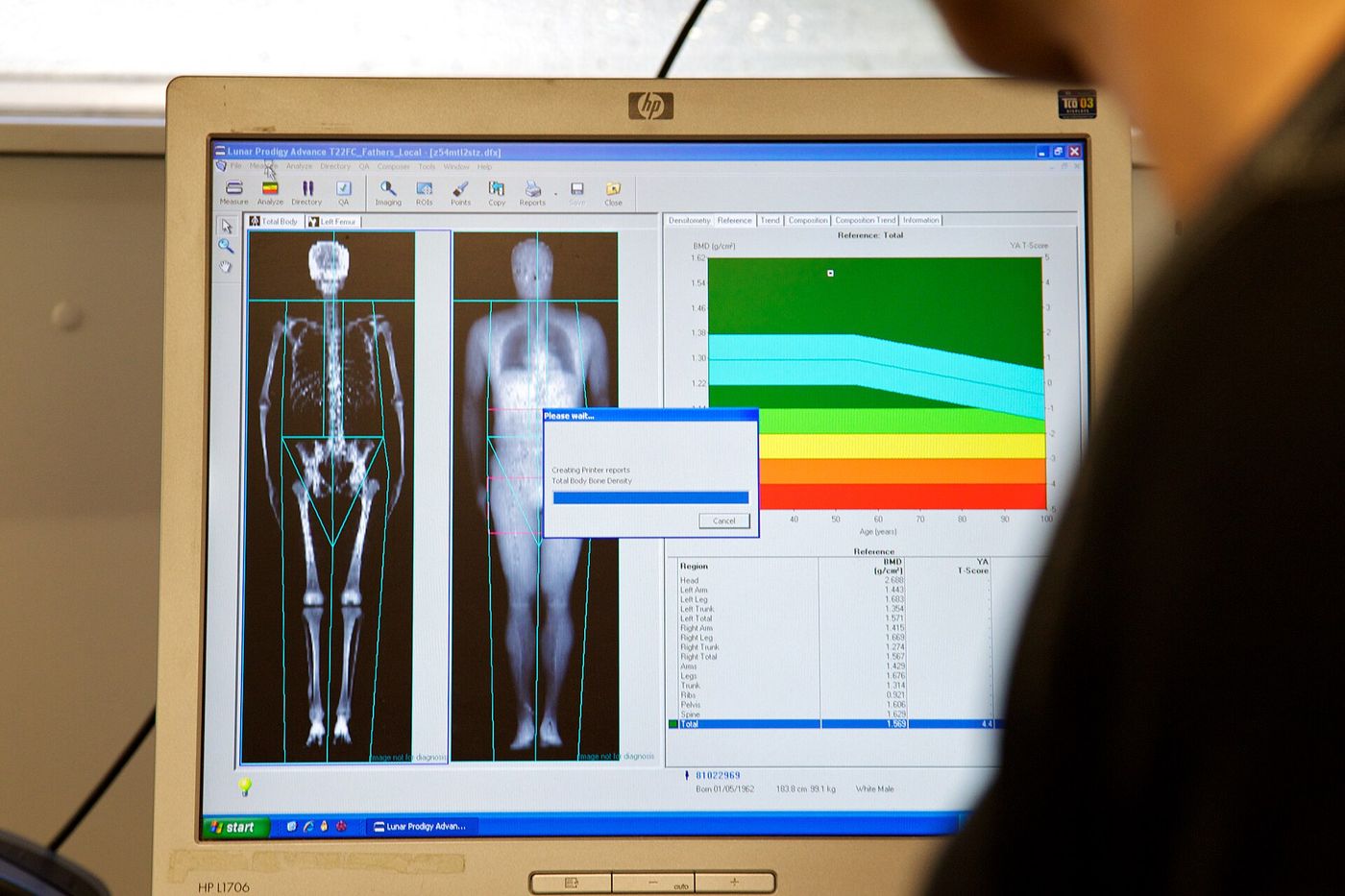
After staring at your body fat scan, you're left feeling one thing: confused. Is your DXA visceral fat reading accurate?
A 165-pound adult's protein requirement jumps from 60 grams when sedentary to up to 60 grams when sedentary to up to 112 grams in a deficit, and at least 110 grams for an older dieter.
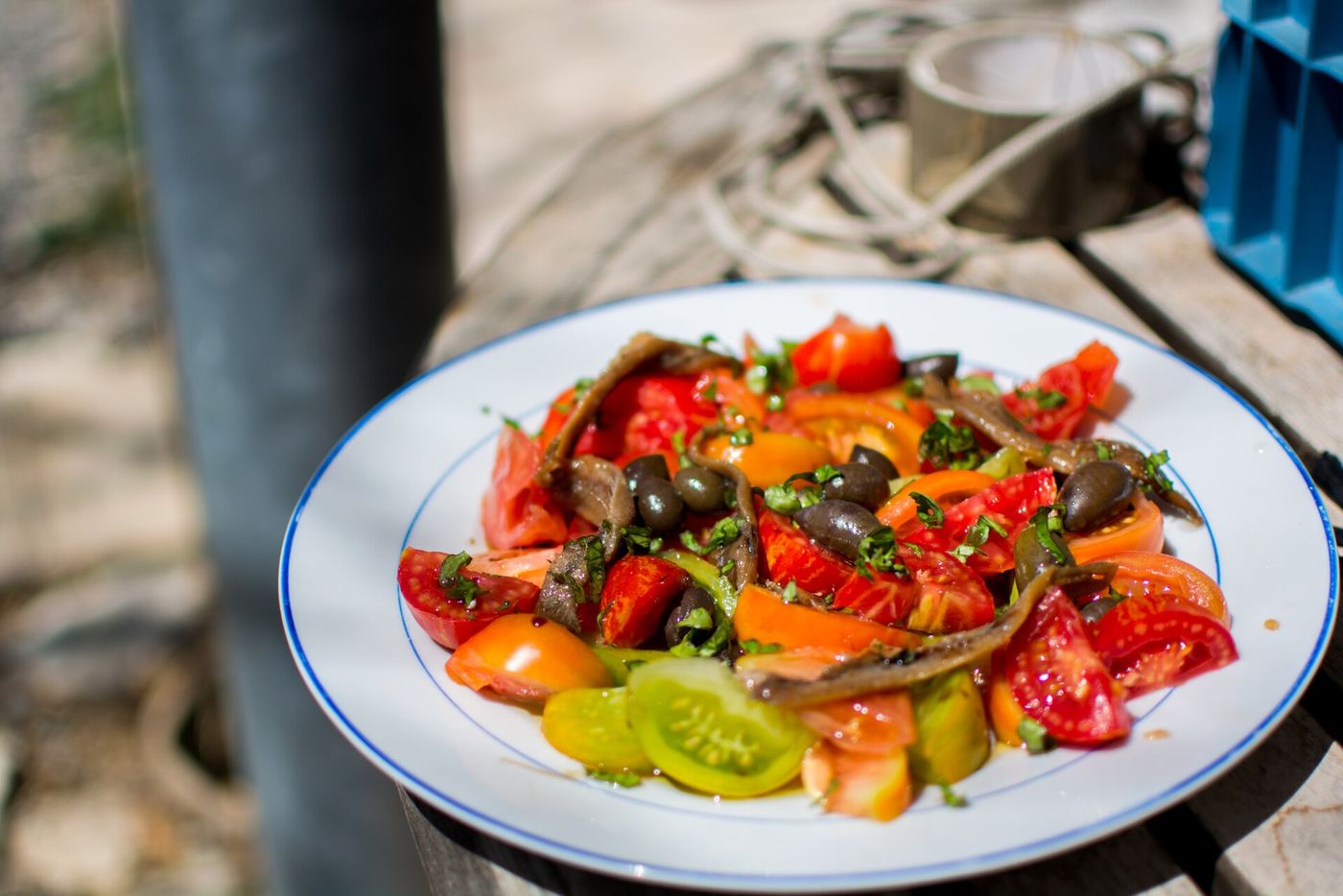
The DASH (Dietary Approaches to Stop Hypertension) and Mediterranean diets each have a strong foundation in science and medical opinion.

Intermittent fasting has become a popular weight loss strategy, with various schedules like 16:8, 5:2 and one meal a day touted as effective ways to shed pounds.

Meal replacement shakes can aid in weight loss, but their effectiveness depends on how they are used within a structured meal plan.

Human chorionic gonadotropin (HCG) is a hormone associated with pregnancy, the hormone that pregnancy tests are built around, and the name that a mid-20th-century diet claim appropriated - while making a separate weight-loss promise.

When shopping for HCG products online, it pays to know that the FDA treats HCG in liquid drops or homeopathic tablets very differently from injectable HCG prescribed by doctors.

The price of an HCG program depends on more than your choice of clinic, telehealth provider, or pharmacy.
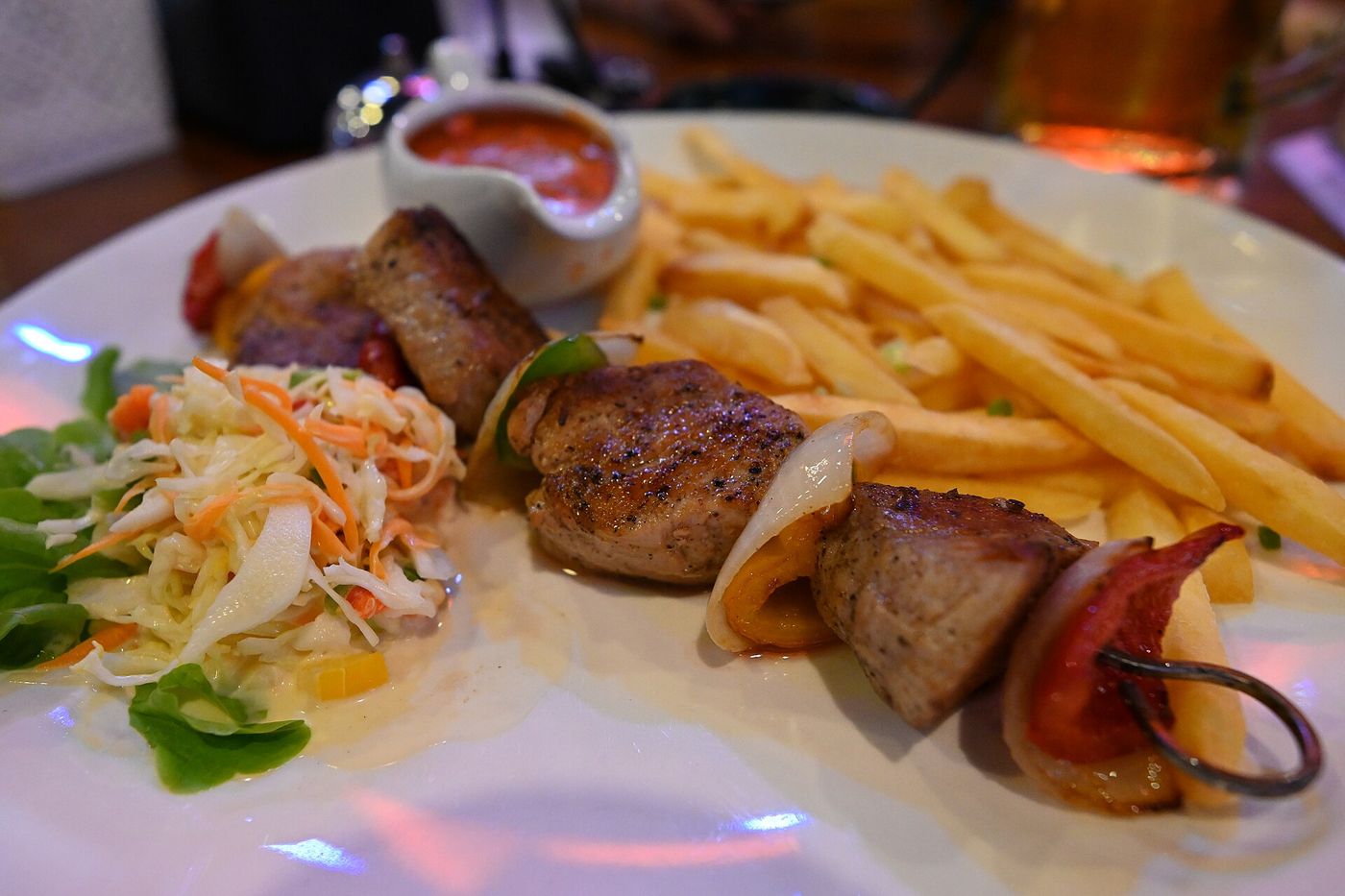
Very low-calorie diets, defined as providing 800 calories or fewer per day, carry serious risks that make them unsuitable for self-directed use.

This Ontogeny of the Ten Thousand Steps-a-Day Phenomenon Starts in a Rush for Marketing Hook and Spins to Current Accuracy

Early weight loss on a diet can look like muscle loss on paper, but what you're seeing is mostly water and glycogen.
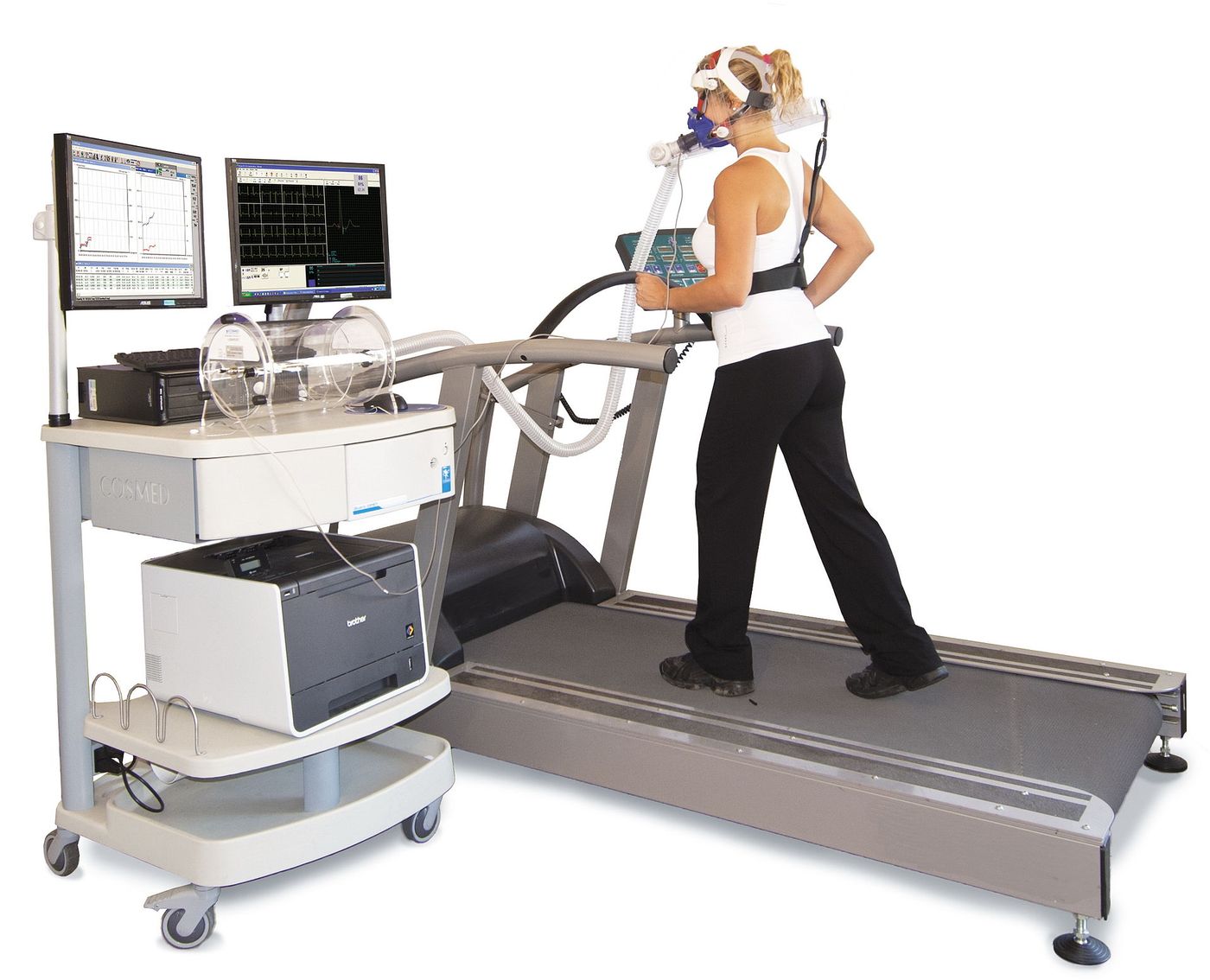
Resting metabolic rate (RMR) calculators are a common tool for estimating how many calories a person burns at rest.

Everyone knows a calorie deficit is the key to weight loss - burn more than you eat.

Controlled studies show a clear link between poor sleep and increased hunger.
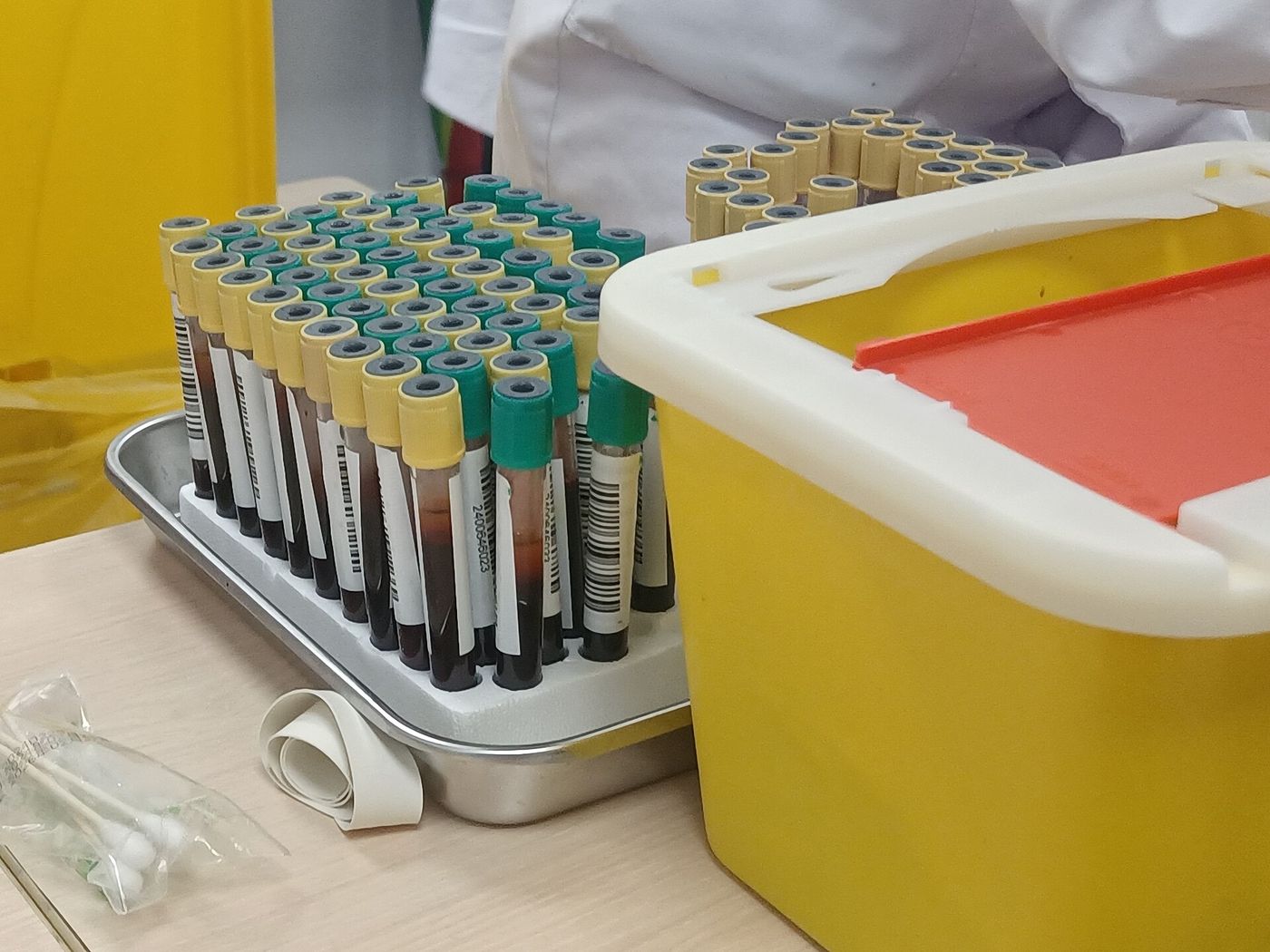
When a medical provider orders blood work for unexplained weight gain, the result is rarely a sprawling hormone panel.
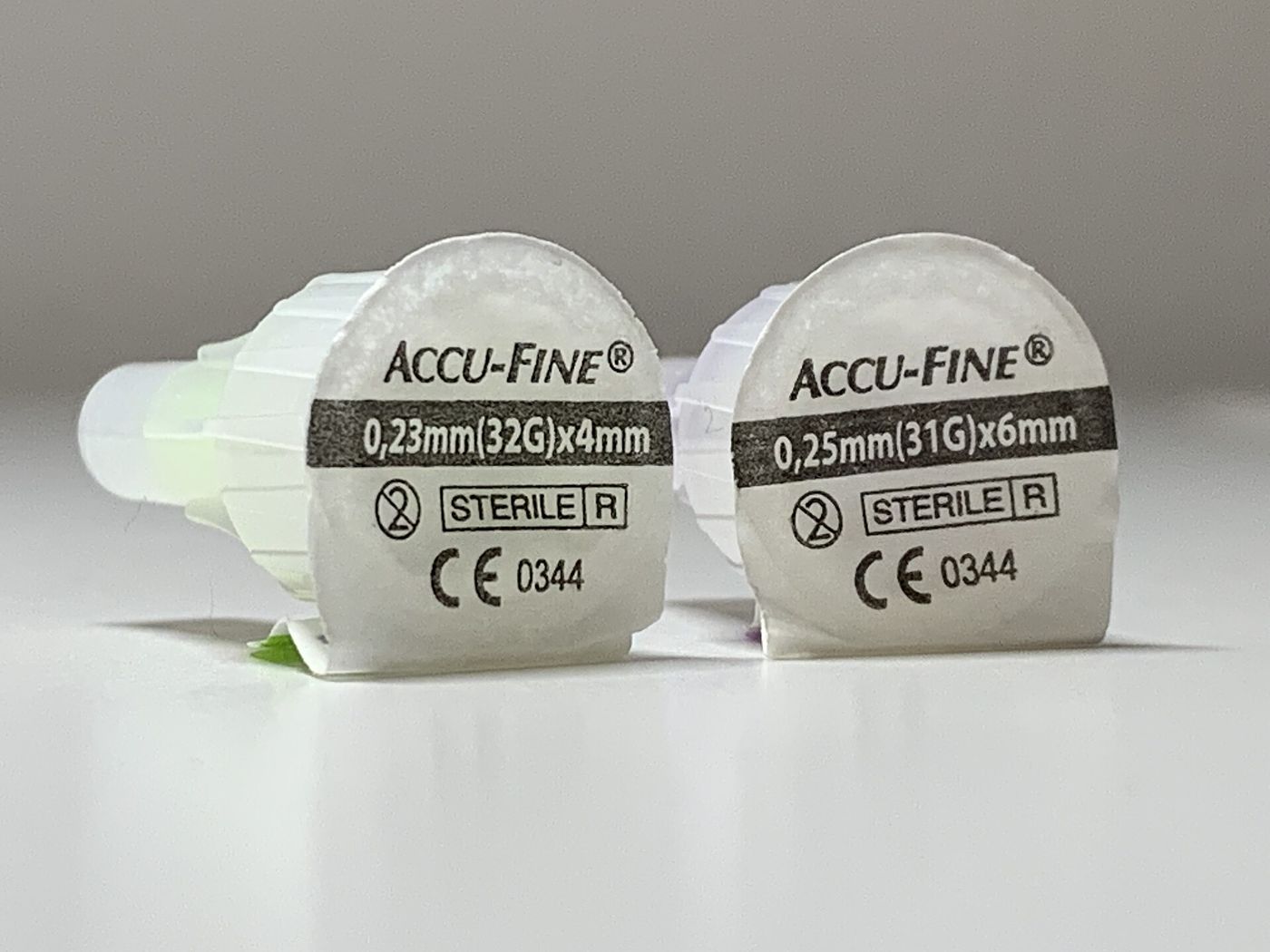
Glucagon-like peptide-1 (GLP-1) medicines for obesity, like semaglutide and tirzepatide, work to stimulate weight loss and help with glycemic control.

Most everyone has been told that stress makes you fat.
18+These pages carry advertising links to licensed operators and are written for adults of legal gambling age. Gambling costs money and can become a problem — how to keep it under control.