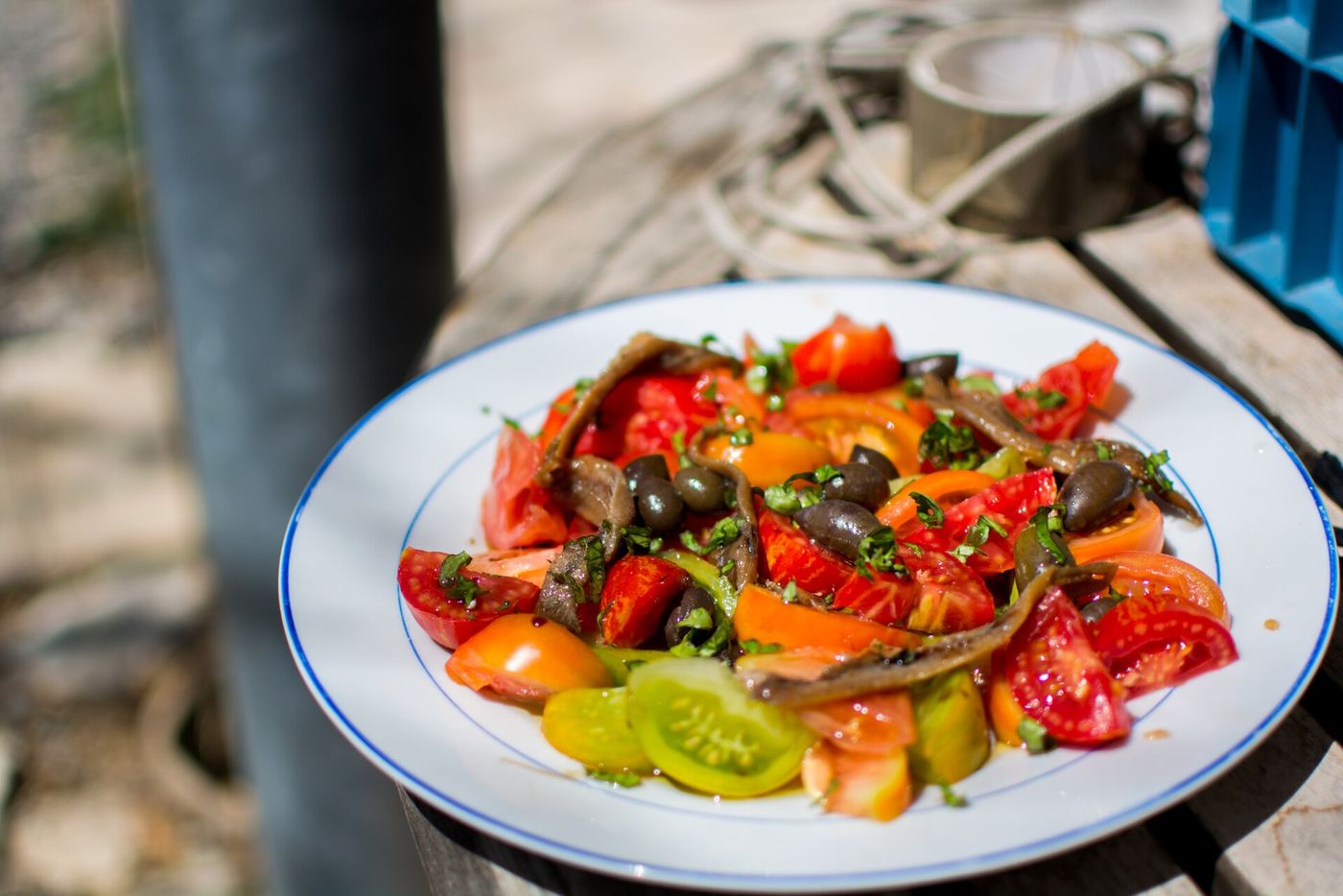
The DASH (Dietary Approaches to Stop Hypertension) and Mediterranean diets each have a strong foundation in science and medical opinion. Developed through research by the US National Heart, Lung, and Blood Institute, DASH was designed specifically to control hypertension by reducing sodium and prioritizing fruits, vegetables, whole grains and lean proteins. The traditionally Mediterranean eating pattern—promoted by doctors for general heart health and longevity—has greater flexibility in the inclusion of meat and alcohol.
Both diets emphasize a base of fruits, vegetables, whole grains, and plant-based proteins. Mediterranean adds extra virgin olive oil as the principal fat source, and allows what DASH restricts for sodium and certain fats.
What Each Diet Is
The DASH diet is a low-sodium eating plan developed by the US National Heart, Lung, and Blood Institute (NHLBI) to control high blood pressure, according to the institute. With an emphasis on vegetables, fruits, and whole grains, it limits salt, saturated fat, full-fat dairy, and sweet or processed foods. An effective DASH meal plan cuts sodium to 2300 mg a day, with an optional 1500 mg limit for better hypertension control.
The Mediterranean diet pattern, by contrast, describes the traditional way of eating in countries bordering the Mediterranean. In practice, this can vary, but in medical guidance, it refers to an eating style with a base of vegetables, fruits, whole grains, nuts, and olive oil. Fish, poultry and fermented dairy are consumed in moderation, along with small amounts of red and processed meats, while sugary treats are limited.
Where They Overlap
When overlaid, the two diets show significant overlap in their core elements. The DASH pattern emphasizes fruits, vegetables, whole grains, fish, poultry, beans, nuts, low-fat dairy and healthy fats, while limiting sodium2,3,4,6[/REF], a structure very similar to how heart health guidance promotes the traditionally Mediterranean way of eating. Both styles limit sugar, saturated fats, and processed foods while providing a plant-forward template that can support heart health in ways proven by studies referenced in public health sources.
"There is a lot of overlap with the two, which is why they both end up being popular choices for heart health," explains Dr. Jane Smith, a cardiologist at NewYork-Presbyterian Hospital. "But there are differences in how each more specifically approaches the goal of reducing cardiovascular risk."
Where DASH Is Stricter
Though the two diets share a common core, DASH is more clearly a stepped map to reducing blood pressure through dietary changes. It prescribes lower daily sodium limits, even in its basic iteration, and puts additional emphasis on controlling consumption of saturated fats, full-fat dairy, and sugars2,3,4,6[/REF]. The diet recommends limiting daily sodium to 2300 mg, with an optional below-1500-mg target for particularly sensitive individuals. DASH also focuses on low-fat dairy products, while the Mediterranean pattern does not include a similar steer.
What the Mediterranean Pattern Adds or Allows
The Mediterranean guidance, as it appears in authority statements, allows a broader interpretation of red meat and alcoholic beverages, along with milk as a fat source. This freedom creates some common misunderstandings: consumers may think that "Mediterranean" as a diet has no restrictions. But the pattern in fact does limit the way we now consume red meat and processed foods, the NHLBI says, amid heavier emphasis on olive oil as a fat source. The American Heart Association describes a Mediterranean-style diet as favoring eggs, fish and poultry; fermented dairy; and heart-healthy oils.
What They Were Designed to Do
DASH is the clearer of the two eating plans from a medical-purposed perspective, having been operationally tested for hypertension. The NHLBI states that maintaining a healthy weight and eating pattern low in sodium can control high blood pressure, with studies finding that a DASH being associated with lower blood pressure and good heart health. The Mediterranean way of eating also supports reduced cardiovascular and vascular risks, but it was not purpose-built for a specific hypertensive target in the same way.
"There isn't a large enough of a difference between the two that you would say one is better than the other." notes Smith. "I would say that is one of the distinguishing points that can come up in recommendations."
Which Weight Loss Diet Is Better?
Studies and sources indicate that obesity risk factors, including diabetes, total cholesterol, waist circumferences, and HDL and LDL cholesterol levels were generally reduced in participants on the DASH diet compared to a control diet, according to the NHLBI's research. The AHA also presents the Mediterranean-style model as contributing to weight management in reducing obesity risk factors.
Achieving weight loss can hinge on changing the structure of a diet, an obesity specialist says, not simply picking the one that is the potassium-structured DASH, for example, might be more weight-effective for people with sodium-sensitive hypertension. But where the food source comes from is not the primary vector: restricting certain food groups—most often sugar, processed foods, and saturated fats, in the case of these diets—can achieve weight loss, while also reducing cardiovascular risk. The AHA suggests an eating pattern like a Mediterranean diet as having the potential to support cardiovascular health.
Verdict:
"At the end of the day, setting goals is one of the more important things—going out and setting a dietary goal with a purpose, with a plan and timeframe, is going to be more effective than general, population-level advice," noted Dr. Martha Roberts, a gastroenterologist at Mass General. "People are more likely to succeed with a plan."
Front-line nutritionists also emphasize accountability, often supported by diet apps or connected medical providers. Heading into the new year, having apps to support a new cuisine, or forming a group, can help people keep their intention and don’t stop after the clinical trial, says Alex Sims, a University of Chicago clinical nutritionist.
This is health information, not medical advice. We describe mechanisms, numbers and published evidence. What applies to you depends on your history, your medication and your clinician — take decisions with them, not with an article.
H
HCG Health Desk
HCG is written by an independent desk covering weight loss, diets and metabolic health. We do not sell programmes, supplements or injections, and we say when the evidence is thin.